


Episode 180 · July 2026
Patellofemoral pain 4 - How to get runners back on track (and trails, hills and anywhere else they run!)
Patellofemoral pain (PFP) rehabilitation doesn't end when your patient gets stronger.
Listen
Whether you’ve come from the Physio Edge podcast, social media or a colleague’s recommendation, this is the one place to find our running injury resources for clinicians.
We help physiotherapists, physical therapists and health professionals build their clinical knowledge and confidence through practical online education.
Our running injury education is led by Tom Goom (Running Physio). Tom has been teaching with us for over a decade through the Running Repairs Online course, which we host, along with regular appearances on the Physio Edge podcast.
Explore the free resources from Tom and Clinical Edge below, or take a closer look at the Running Repairs Online course to deepen your knowledge and develop your approach to running injuries.

with Tom Goom (Running Physio)
Why do some runners recover, and others keep coming back “no better”?
Patellofemoral pain is one of the most common injuries you’ll see in runners — and one of the most likely to come back. More than half of patients continue to have long-term symptoms years later, even after rehab that you’ve successfully used with other patients.
In this masterclass, Tom walks you through his “Four pillars” framework of running injury treatment, applied to a real runner with patellofemoral pain. You’ll see the assessment and differential diagnosis, gait analysis, exercise progressions and clinical reasoning demonstrated in full, including a real patient case worked through from start to finish.
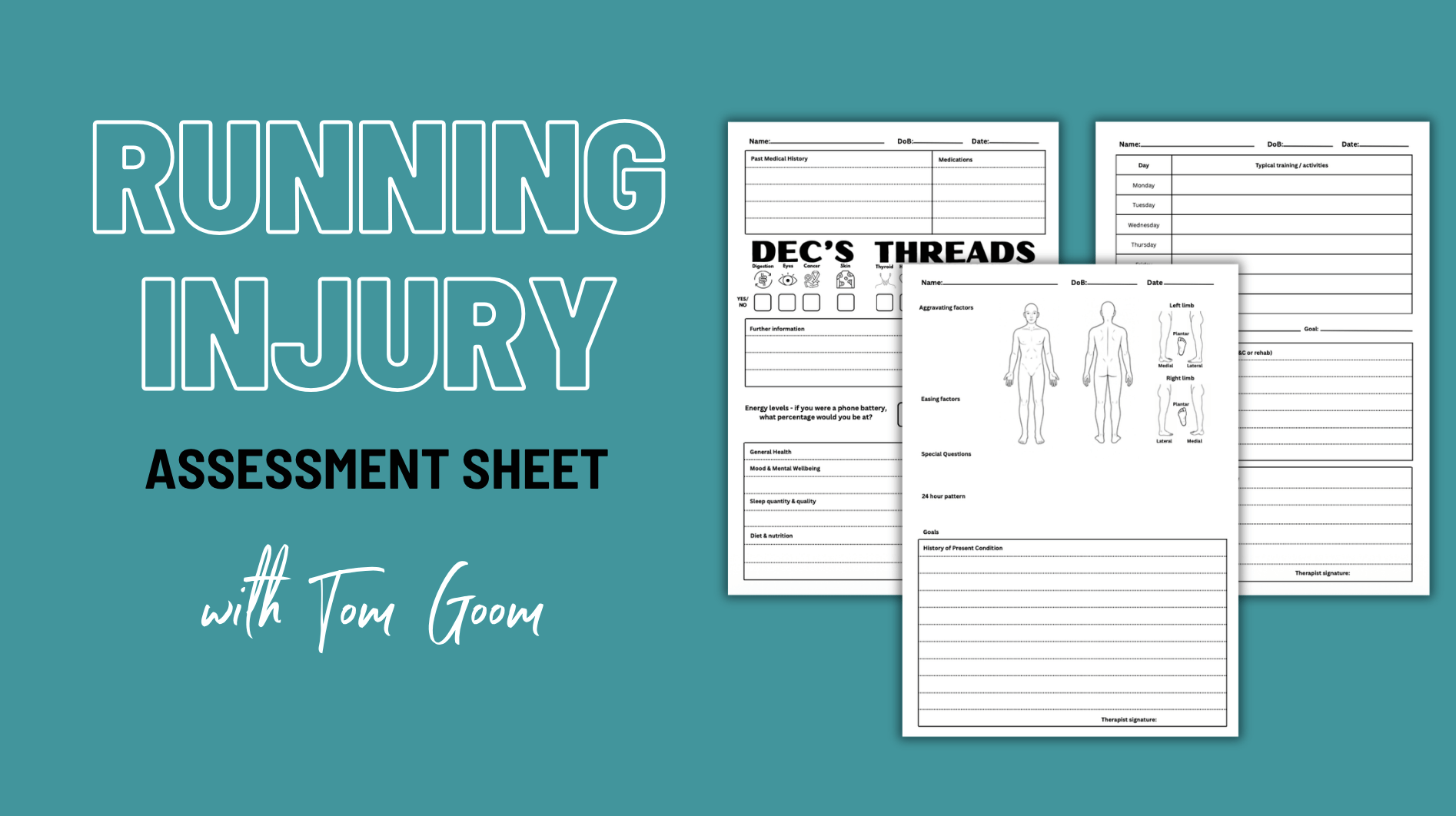
Tom’s assessment sheet for runners. Use this in your initial consults with runners, to help remember the questions you need to ask and assessment tests to perform.
An online course for clinicians who want to assess, diagnose and treat running injuries with confidence. It covers the whole runner, from assessment tests, diagnosis, training load and gait through to exercises, return-to-running guidance, tendons, bone stress and complex cases with recurring pain.
You’ll get immediate on-demand access to practical video demonstrations, case studies, handouts and exercise libraries. Study at your own pace, with live Q&A sessions with Tom through the year.
Physiotherapists, physical therapists, chiropractors, osteopaths, podiatrists, sports doctors and exercise scientists, whether you’re new to treating runners or want a more systematic approach.
Plus Track Pack assessment forms, infographics, exercise handouts, research summaries and recorded Q&As with Tom.
Choose your ticket and get immediate access to the entire Running Repairs Online course.
“The Running Repairs course has been the best continuing education course I have ever taken. The course consistently refers to studies to back up the information given, which makes me so confident in what I am prescribing to my patients.”
“Loved the course. Huge amount of high quality content, very thorough and clinically applicable.”
“Easily accessible, great and relevant information. It’s helped with load management and guiding patients back to running with programs. My treatment has improved a lot.”
“There’s a lot of misleading info out there about running injury treatment. The Running Repairs Online Course is really in depth, and I’m now using a systematic approach to make sure I don’t miss anything.”
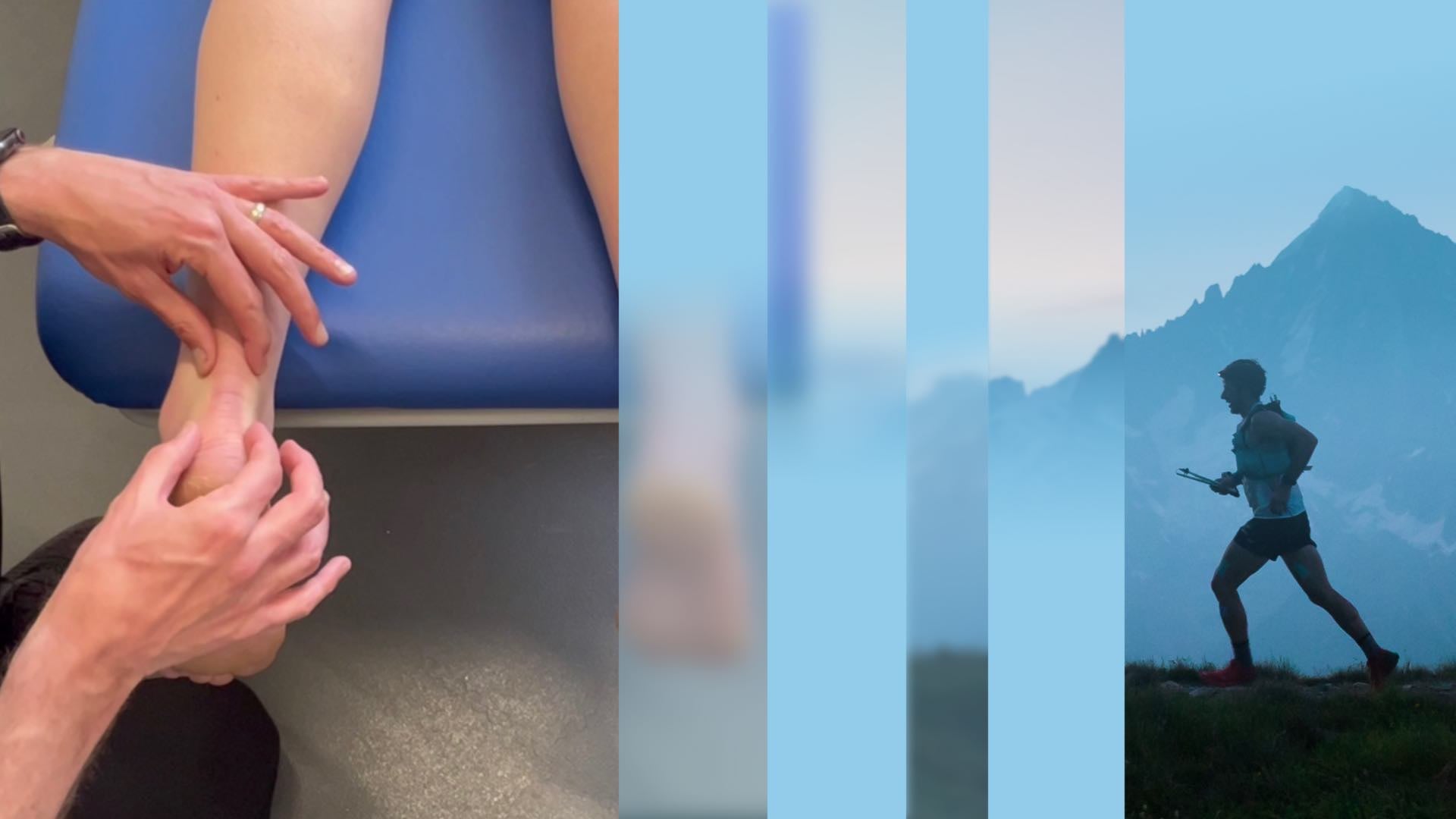
Assessment, diagnosis and treatment of Achilles tendinopathy, for runners, walkers and sporting patients. Tom’s most popular free series.
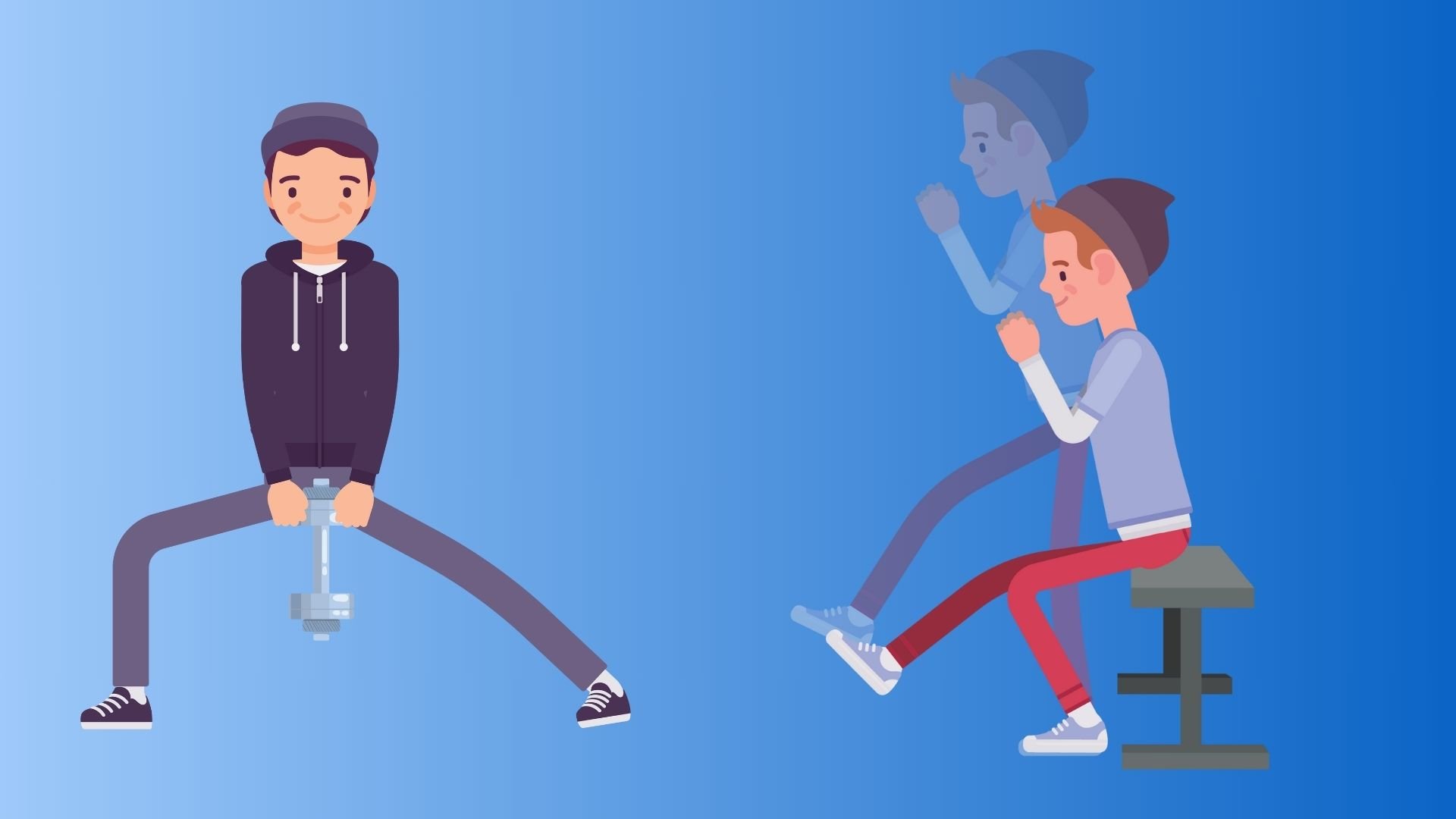
Assessment and treatment of stubborn lower limb tendinopathies, one infographic a day for four days.
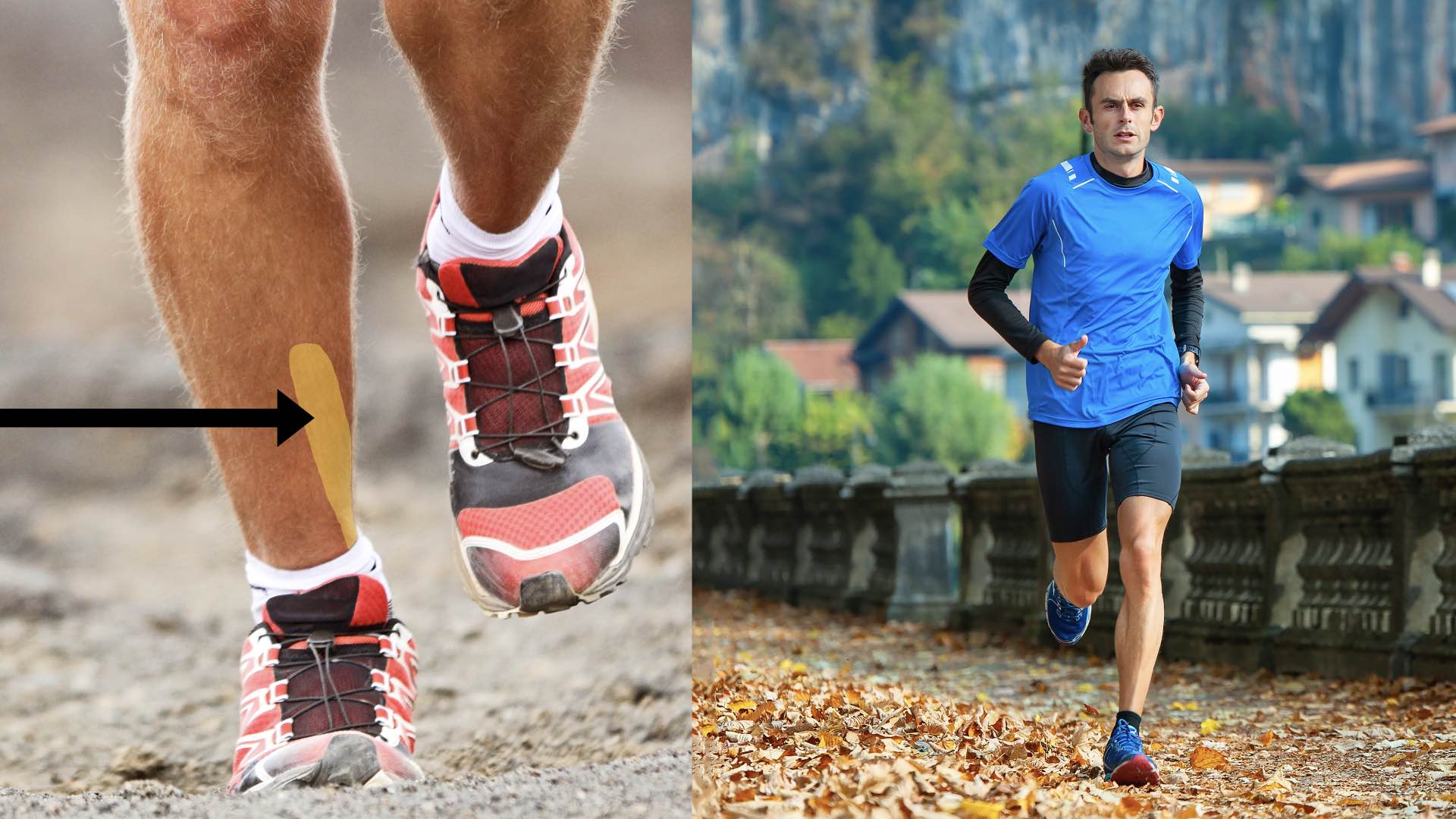
Assess and treat medial tibial stress syndrome and the other causes of shin pain in runners.

Lateral knee pain in runners, cyclists and rowers: what’s going on, and what to do about it.
Each resource comes with a short email series from Tom with practical running injury tips. You can unsubscribe at any time.
Every episode with Tom Goom, newest first. Tap a card to listen on the Clinical Edge site.
Patellofemoral pain (PFP) rehabilitation doesn't end when your patient gets stronger.
Listen
Strengthening exercises are a key part of successful patellofemoral pain (PFP) rehabilitation.
Listen
Many runners patellofemoral pain (PFP) is aggravated by the activity they love.
Listen
Patellofemoral pain (PFP) is one of the most common running injuries, and the high recurrence rate can make it a frustrating injury for patients to experience and clinicians to…
Listen
Anterior hip pain is often blamed on the hip flexors, but in runners, that's rarely the diagnosis.
Listen
Static stretching has long been used to improve flexibility, but research shows its effects are often short-lived.
Listen
Bone strength and density are vital in your running and sporting patients who can experience bone stress injuries (BSI's), and also as patients get older and more vulnerable to…
Listen
How can you treat patients who experience knee pain and swelling during and after running?
Listen
How can you successfully treat hip pain and instability associated with your patients' hip dysplasia?
Listen
Hip dysplasia is a commonly missed cause of hip and groin pain.
Listen
Hip dysplasia is a commonly missed cause of hip and groin pain, catching, clicking, locking or popping, resulting from lack of coverage of the femoral head by the acetabulum.
Listen
After injury or surgery, a lot of runners are told to stop running for different reasons.
Listen
Will strength training help your patients reduce their risk of running injury and improve their running performance?
Listen
Marathon runners often come to us with pain, but also they need to build up their mileage in preparation for one of the most challenging events in endurance sport.
Listen
How can you settle symptoms and make progress with patients, when pain is a significant barrier to performing the rehab that will help them get back to the things they want to do?
Listen
What strategies can you recommend to your patients that are recovering from injury or increasing their training to help improve physical recovery?
Listen
Patients with anterior knee pain may have pain with activities that load the patellofemoral joint (PFJ), such as squatting, going up or down stairs, and running.
Listen
Can shockwave improve pain and function in Achilles tendinopathy patients that fail to improve with rehab?
Listen
Calf strains are common in runners, footballers, dancers and other athletes.
Listen
Calcaneal bony stress injuries or fractures are often misdiagnosed and incorrectly treated as insertional Achilles tendinopathy or plantar heel pain, leading to worsening pain a…
Listen
When patients have a running injury, such as knee pain or Achilles tendinopathy, do we need to include strength training in their rehab?
Listen
When your patient with Achilles tendon pain isn't progressing as well as you hoped, could Plantaris be implicated in their pain?
Listen
What do foam rolling and stretching do to the ITB?
Listen
Stress fractures and bone stress injuries in running patients need to be identified early, to allow recovery before the injury worsens and requires extensive time away from runn…
Listen
When you love running or any other sport or activity, having to take time off with an injury is really frustrating.
Listen
How can you manage lower limb tendinopathy in your patients that like to run?
Listen
What are the key components when assessing and treating runners?
Listen
There are a lot of myths around footwear, and your patients with running injuries will often blame an "incorrect shoe" choice for their injury, or believe that getting the "righ…
Listen
Experiencing increasing calf pain with running can be an incredibly frustrating experience for your running patients, especially when it is severely limiting or stopping them fr…
Listen
When your patients present with calf pain, do you have a clear understanding of the likely causes and potential differential diagnosis?
Listen
One of the most popular blogposts of all time on Tom Goom's website running-physio.com is on how to manage calf tears in runners .
Listen
How can you treat plantar fasciopathy?
Listen
Assessment and diagnosis is vital in planning your plantar fasciopathy treatment program, and successfully returning your patients to activity and running.
Listen
Plantar fasciopathy is one of the most common causes of foot pain in runners and non-athletes alike.
Listen
How can you identify the most important factors involved in your patients running injuries?
Listen
Your athletes workload consists of the amount of running, training and matches performed.
Listen
Helping our running patients recover and return to running following injury is our primary rehab priority, however we may also have the opportunity to help improve their running…
Listen
Identifying how much running each of your patients can perform (their load capacity) during their rehabilitation is a skill.
Listen
Proximal hamstring tendinopathy (PHT) occurs in athletes, runners, weightlifters, and other athletes, as well as more sedentary patients, causing pain at the hamstring origin an…
Listen